















The definitive guide to standing rigging for ocean sailors
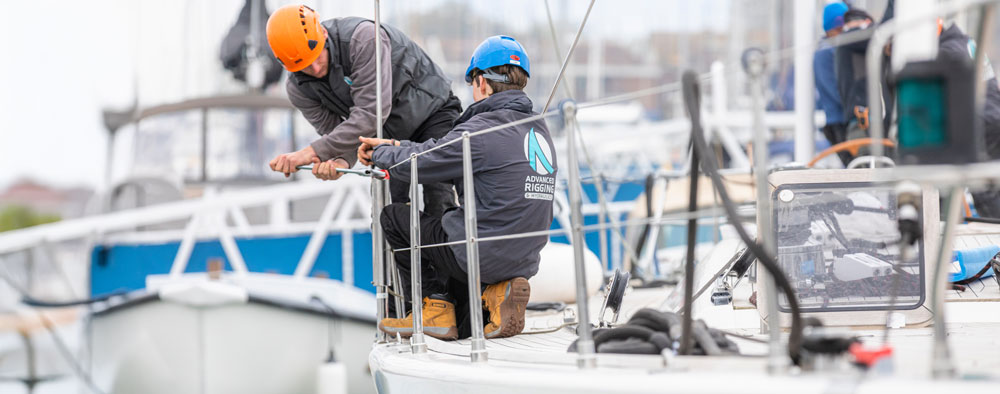
When you set out to cross an ocean, your standing rigging not only holds the mast upright, but also provides the controlled support that allows your sails to drive the boat safely and efficiently. Strong, reliable rigging maintains the geometry of the rig under load, preserving both performance and comfort across thousands of nautical miles.
When you set out to cross an ocean, your standing rigging not only holds the mast upright, but also provides the controlled support that allows your sails to drive the boat safely and efficiently. Strong, reliable rigging maintains the geometry of the rig under load, preserving both performance and comfort across thousands of nautical miles.
Equally, weight matters. Every kilogram aloft adds to the heeling moment when the boat powers up. Reducing rigging weight keeps the yacht more balanced, easier to handle, and ultimately more comfortable at sea. In short, standing rigging is not just structural – it is integral to performance, safety, and enjoyment offshore.
This guide explores the main rigging materials used in modern yachts along with the practicalities of installation, inspection, and maintenance.
Standing rigging materials: An overview
There are three dominant choices for yacht owners: wire, rod, and composite rigging. Each has its advantages, disadvantages, and best-use cases. The right choice depends on your yacht’s design, your sailing ambitions, and your appetite for maintenance and cost.
Wire rigging: The proven workhorse
Wire has been the default choice for decades and remains the most common option for cruising yachts. Its popularity lies in its versatility – it suits everything from small cruisers to large yachts, can be adapted to most rig designs, and is relatively cost-effective.
Stainless steel wire rope is typically available in four main constructions:
1×19 Stainless Steel: The most common choice, known for low stretch and high strength. Its uniform bundle of 19 wires delivers rigidity and reliability. High-grade 316 stainless steel, fully certified and traceable, provides assurance of performance in marine environments.
7×7 Stainless Steel: More flexible than 1×19, though not as stiff, it offers strength where flexibility is required.
Compact Strand (Dyform): A premium variant where shaped strands pack more steel into the same diameter, increasing strength and reducing stretch. For performance applications, compact strand can even allow a smaller diameter, reducing windage aloft.
Best for: Cruising yachts seeking a practical, proven, and serviceable option.
Rod rigging: Efficiency and longevity
Rod rigging, usually made from Nitronic 50, offers higher strength, lower stretch, and reduced weight compared to wire. Its polished mono-strand construction minimises windage and delivers excellent longevity, making it popular among performance cruisers.
Rod rigging is sized by ‘dash size’, which corresponds to breaking strength in thousands of pounds (for example, -12 rod = 12,000 lbs). Its corrosion resistance and lifespan make it an attractive investment for sailors prioritising long-term efficiency and aesthetics.
Best for: Performance-oriented cruisers who value strength, longevity, and reduced windage.
Composite rigging: Cutting-edge performance
For yachts where weight saving is paramount, composite rigging is the premium choice. Materials such as Dyneema, Aramid, PBO, and Carbon deliver dramatic weight reductions (between 60–80% lighter than steel equivalents) while offering 10-50% higher breaking strengths.
Composite rigging is most often found on high-performance yachts or larger bluewater cruisers where reducing weight aloft brings tangible handling and comfort benefits. Advanced Rigging & Hydraulics partners with leading manufacturers to specify the correct fibre for each application.
Best for: Large cruising yachts or performance sailors committed to weight savings and cutting-edge technology.
Installation: Professional vs practical
Wire rigging: Relatively straightforward to install, often manageable by owners with the right tools and guidance. Advanced Rigging & Hydraulics regularly manufactures wire rigging for self-installation or local riggers, with delivery available across the UK and worldwide.
Rod and composite rigging: Require specialist installation. Precise construction, termination, and tuning processes demand professional expertise. Advanced Rigging & Hydraulics is an approved agent for BSI, OYS, Navtec by Hayn, and Future Fibres, ensuring correct installation and tuning.
Maintenance and inspections
No matter the material, standing rigging requires regular inspection. Insurers will often ask for proof of ongoing checks. Here’s how maintenance typically breaks down:
Wire rigging: Accessible and cost-effective to maintain. Regular visual checks, supported by annual professional inspections, are recommended to catch corrosion or fatigue early.
Rod rigging: Requires more structured servicing. Initial inspection and retune are advised within 4-6 months of installation, followed by annual checks. After five years, a full service with the mast unstepped is recommended, including cleaning, non-destructive testing (NDT), and re-heading of diagonals and fore/aft rigging as necessary.
Composite rigging: Must be inspected visually and proof-tested at service intervals. Kevlar cables should be replaced at five years or earlier if any damage is suspected. Other fibre systems require consultation with a professional rigger to ensure adherence to manufacturer service guidelines.
Why it matters offshore
On an ocean passage, your standing rigging is your insurance policy against dismasting. The loads it carries are enormous, and failure at sea can be catastrophic. By selecting the right material, ensuring professional installation where necessary, and committing to regular inspections, you protect not only your mast and sails but also the safety of your crew.
Expert support for ocean sailors
With extensive in-house manufacturing capabilities and experience across thousands of rig projects, Advanced Rigging & Hydraulics is uniquely placed to support World Cruising Club members. From design and specification through installation, inspection, and ongoing maintenance, the team ensures your rigging performs reliably wherever your adventures take you.